When Designers and PMs Disagree: Who Should Decide?
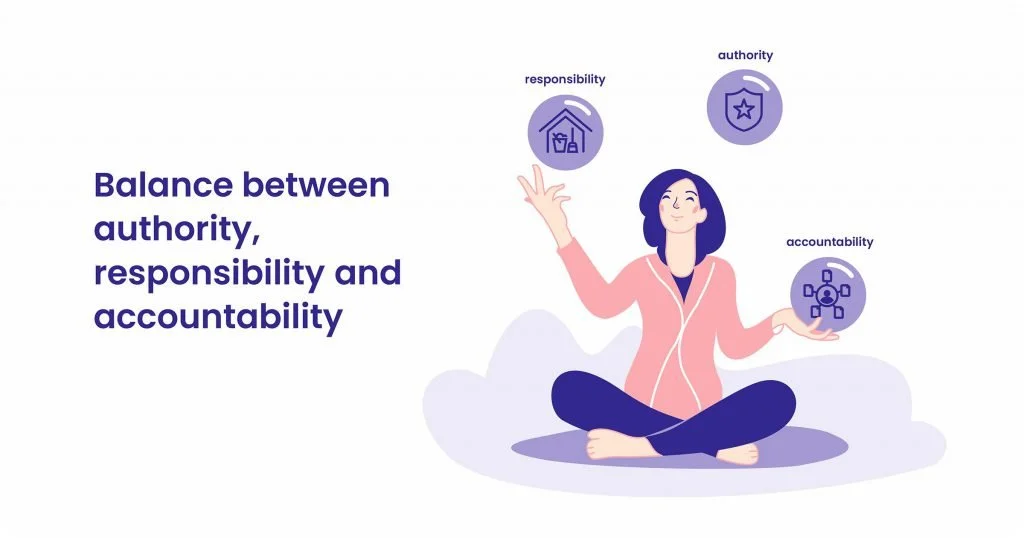
For a long time, I believed that accountability equals decision-making power. If you’re accountable for an outcome, you should have the final say — simple.
But throughout my career as a product designer, one question kept resurfacing in almost every team I worked with:
Who actually has the final say in design decisions — the designer or the product manager?
There was never a clear answer.
No document. No rule. Just assumptions, personalities, and context.
And that ambiguity creates friction.
Why This Question Keeps Coming Back
In most product teams:
The product manager is accountable for the overall product outcome and business success.
The designer is accountable for experience quality, usability, and user satisfaction.
Both roles are accountable — but for different things.
The problem is that accountability is often mistaken for ownership over every decision.
And when responsibilities overlap, decision rights become unclear.
That’s where conflict starts.
What the Product Manager Is Accountable For

The product manager owns the product outcome.
This typically includes:
Defining product goals and success metrics
Prioritization and scope decisions
Roadmap and sequencing
Alignment with company strategy
Because the PM is accountable to the business, they are responsible for deciding:
What problems are worth solving
What fits in the MVP
What gets delayed or removed
This accountability does not automatically mean they should design the solution.
What the Designer Is Accountable For

The designer owns experience quality.
This includes:
Usability and clarity
Accessibility
Interaction patterns
Reducing friction and errors
Designers are accountable for:
How a solution works for users
Whether users can understand and use it
Whether the experience causes confusion, frustration, or mistakes
This accountability does not mean designers decide product priorities or business strategy.
Where the Ambiguity Comes From
The tension appears because:
Design decisions affect business outcomes
Product decisions affect user experience
So the question becomes:
Who decides when these concerns conflict?
Especially in cases like:
Cutting design elements for MVP
Simplifying flows due to technical constraints
Shipping with known UX compromises
This is where teams often fall back on hierarchy or personal influence — which is unhealthy.
Who Should Have the Final Say in Design Decisions?
Here’s the key distinction that helped me:
Accountability ≠ unilateral decision-making
Instead:
The designer should have decision authority over experience quality decisions
The product manager should have decision authority over scope, timing, and prioritization
In practice:
If the question is “Does this interaction make sense to users?”
→ Designer leads the decisionIf the question is “Do we ship this now or later?”
→ Product manager leads the decisionIf the question is “Can we afford this complexity right now?”
→ Product manager decides — informed by design input
What If There’s a Conflict in the Designer’s Domain?
This is the hardest part.
Let’s say:
The designer believes a change will hurt usability
The PM wants to move forward anyway due to constraints
Who makes the final call?
The honest answer:
The PM may still make the final product decision — but not silently.
And the designer still has responsibility.
What the designer should do:
Clearly articulate the UX risk
What will users struggle with?
What behaviors might break?
What metrics could be affected?
Offer alternatives
Simplified versions
Progressive solutions
Temporary compromises
Document the decision
What was recommended
What trade-off was made
Why it was accepted
Once this is done:
The PM owns the outcome
The designer has upheld responsibility for experience quality
This protects trust on both sides.
Why This Model Works
This approach:
Avoids power struggles
Makes trade-offs explicit
Prevents silent UX debt
Most importantly, it shifts the question from:
“Who wins the argument?”
to:
“Who owns which decision — and why?”
Final Thought
Designers should not own the roadmap.
Product managers should not design by authority.
But both must influence each other deeply.
When decision rights are clear:
Designers stop feeling overruled
PMs stop feeling blocked
Teams move faster with less friction
Accountability doesn’t mean deciding everything.
It means knowing exactly what you’re responsible for — and standing behind it.