Turning MVP Scope Cuts into Structured Decisions
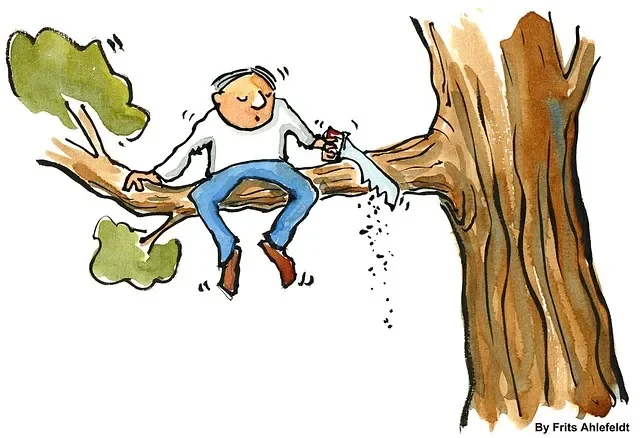
Many times, while designing a new feature, the team agrees on an MVP — only to realize later that not everything fits.
Technical feasibility, tight timelines, or unexpected complexity force the team to remove parts of the design.
The discussion usually goes like this:
“What can we take out?”
“This might be expensive.”
“Can we ship without this?”
And decisions are made in the moment.
For me, these conversations always felt unstructured.
So I created a simple criteria-based framework to guide what stays and what goes.
The MVP Cut Decision Framework
When something needs to be removed from scope, I now evaluate it across four dimensions.
1. User Value Impact
Ask:
Does this directly help the user achieve their main goal?
If we remove it, does the core flow still make sense?
Rule of thumb:
If removing it breaks the user’s ability to complete the task → keep it
If it enhances but doesn’t enable → candidate to cut
2. Risk of Misunderstanding or Failure
Ask:
Does this element prevent confusion?
Does it reduce errors, anxiety, or incorrect actions?
Rule of thumb:
If removing it increases user mistakes or frustration → keep it
If it’s mostly additive or explanatory → can be simplified or deferred
3. Technical Cost vs. UX Benefit
Ask:
Is the implementation cost disproportionately high compared to the value it adds?
Are there simpler alternatives?
Rule of thumb:
High cost + low UX impact → cut or simplify
High cost + high UX impact → rethink, not remove
This reframes the conversation from “Can we build this?” to
“Is this the best way to deliver the value?”
4. Reversibility
Ask:
Can we add this later without redesigning the whole system?
Is it safe to postpone?
Rule of thumb:
Easy to add later → safe to remove from MVP
Hard to retrofit later → be careful cutting it
This is especially important for:
Information architecture
Permissions
Core interaction patterns
How This Changes the Conversation
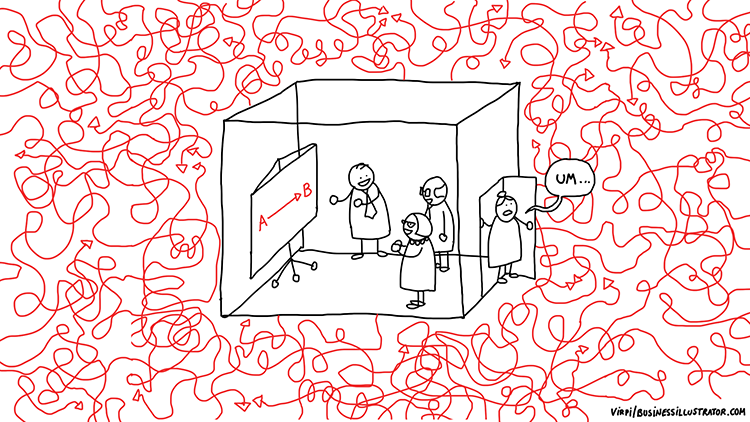
Instead of saying:
“Let’s just remove this for now.”
The team says:
“This adds value, but it’s not critical for the main user goal, it’s expensive to build, and we can add it later — so it doesn’t belong in the MVP.”
This creates:
Clear reasoning
Shared understanding
Less emotional decision-making
Better documentation for future iterations
The Designer’s Role in These Moments
In these discussions, the designer is not defending pixels.
They are protecting user value while enabling delivery.
A structured criteria helps the designer:
Avoid reactive decisions
Speak the same language as PMs and engineers
Make trade-offs explicit instead of implicit
Final Thought
MVP conversations will always involve compromise.
The goal isn’t to avoid cutting — it’s to cut intentionally.
When everyone understands why something is removed, trust increases and the product gets better — even with less scope.