Why Great UX Is a Team Sport, Not a Solo Performance
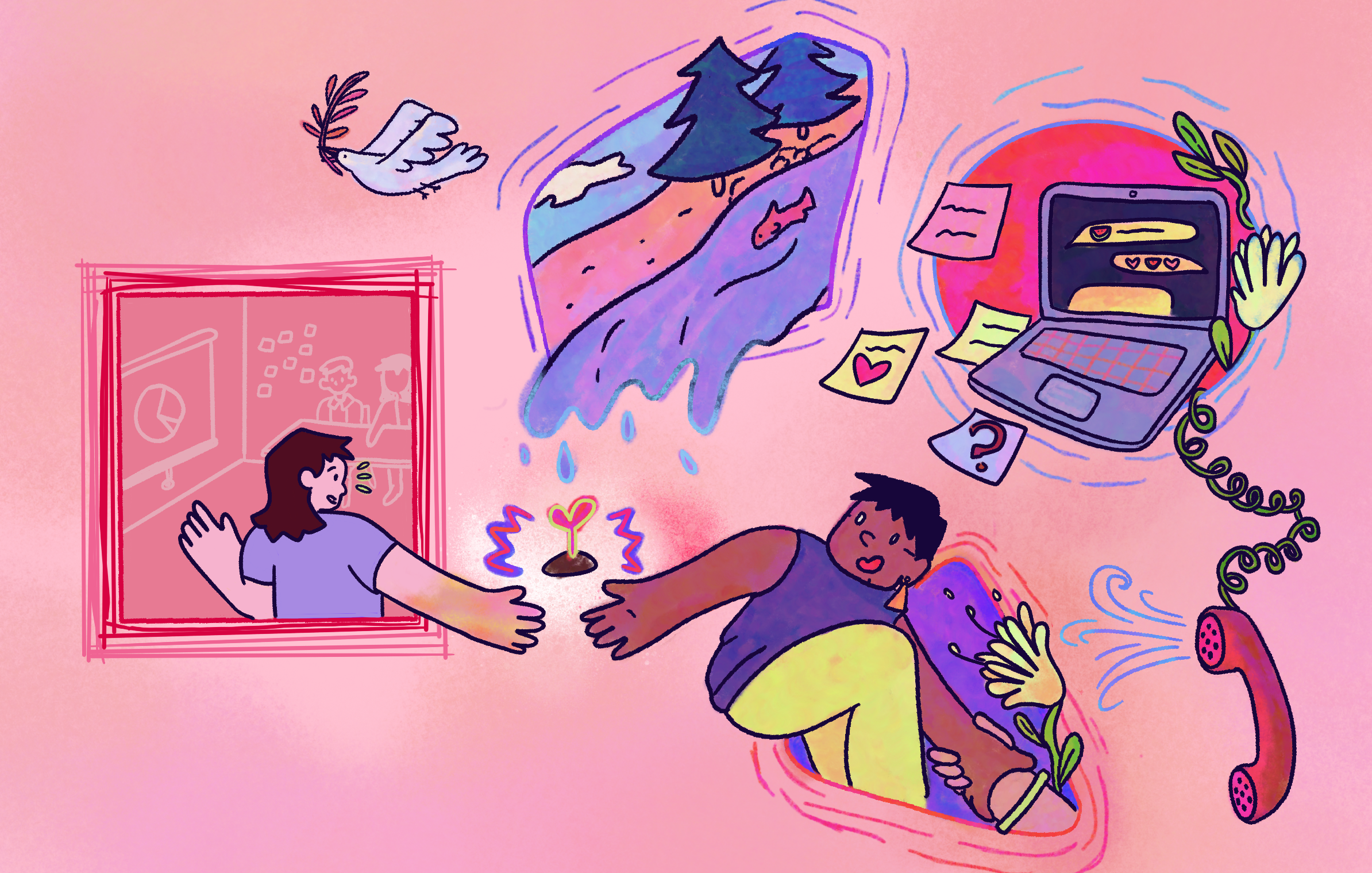
Why Early feedback Matters
Early in my career, I used to believe that coming up with design ideas was my job alone. If a developer or PM suggested a great idea, I felt threatened — as if I wasn’t good enough for not thinking of it first.
But with experience, I discovered something essential: great products don’t come from isolated designers — they come from aligned teams.
Every discipline sees the product through a different mental model — and those perspectives reveal insights a designer alone might miss.
Developers understand feasibility, constraints, and technical elegance. They can point out whether something is scalable or overly complex. They help designers avoid solutions that will break or take months to build.
PMs see the product through goals, business value, and outcomes. They help ensure the design supports actual priorities, not just aesthetic preference.
Marketing focuses on storytelling, clarity, and first impressions. They help designers understand how users first interpret the product.
QA sees edge cases, breakpoints, and overlooked scenarios. They reveal broken flows and friction points designers often miss.
Methods to get Stakeholders feedback Early
I tried weekly update meetings, but they quickly fell apart — not everyone could attend consistently, and I didn’t always have meaningful updates to justify a full meeting.
I also tried sharing prototypes on Slack, hoping for quick feedback. But the responses were usually weak or incomplete. A prototype alone often lacks the necessary context: Why did we choose this direction? What stage are we in? What problem are we solving? What constraints shaped the solution? Without this framing, people struggled to give actionable feedback.
After trying several methods, the one that consistently worked for me was surprisingly simple:
recording short videos where I walk through the solution, explain the current stage of the project, give the necessary context, and outline the rationale behind key decisions.
The best part?
It didn’t take long to prepare, and it gave teammates everything they needed to react thoughtfully:
They could watch it asynchronously.
They understood not just what I designed, but why.
They could give more informed, higher-quality feedback.
It reduced meetings and misalignment dramatically.
Short videos turned out to be the easiest and most effective way to keep everyone in the loop — without friction.
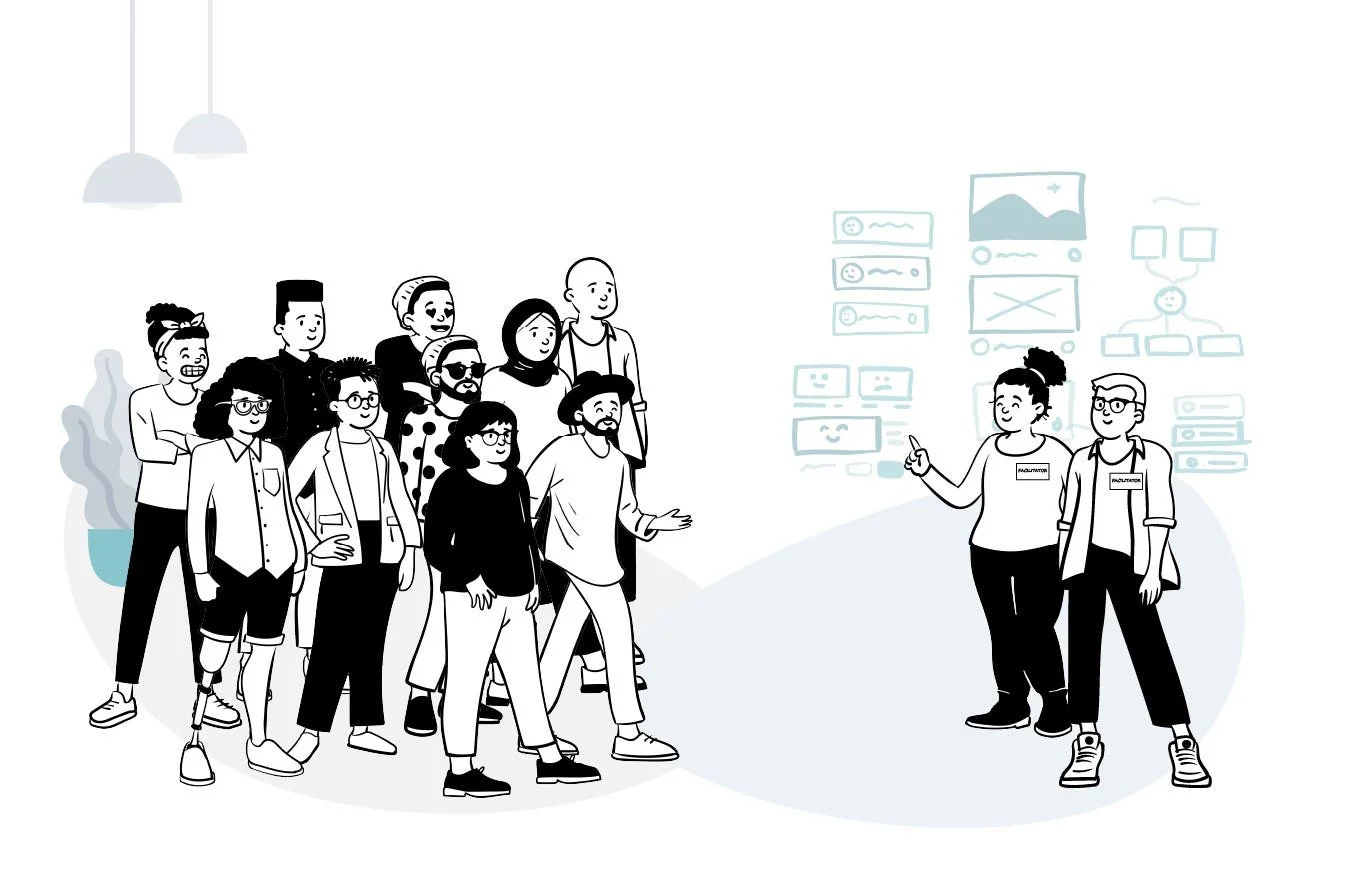
Final Thought
Early alignment is not just a workflow improvement — it’s a mindset shift.
When every team member contributes to the design process, the product becomes clearer, stronger, and more user-centered.
Because great UX isn’t created alone — it’s created together.