 Haytham Galal
In the last few months, I've become deeply interested in vibe coding — building things quickly, experimenting freely, and learning by doing. I started working on a small side project: a vocabulary learning app, inspired by my own struggle to memorize German words.
At first, this felt like a fun experiment. But very quickly, it became something more valuable: a crash course in software engineering realities — and a humbling one.
For the first time, I wasn't just designing and handing things off. I was building, debugging, restructuring, and feeling the pain developers often talk about.
And it changed how I'll design going forward.
From "Why Is This Taking So Long?" to "Oh… Now I Get It"
In past projects, when discussing MVP scope or timelines with developers, I sometimes felt they were overcomplicating things.
"It's a small UI change." "This shouldn't take that long." "Can't we just add this?"
Now, after building my own app, I understand how naïve those assumptions were.
Here are the areas I consistently underestimated as a designer — and what I learned the hard way.
1. The Engineering Cost of "Small" UI Changes
As a designer, I used to see UI changes in isolation:
- Move a button
- Rename a label
- Add a toggle
In Figma, these are seconds.
In code, they often mean:
- Updating components
- Adjusting logic
- Handling new states
- Updating tests
- Ensuring nothing else breaks
While vibe coding, I felt the friction directly. A "tiny" UI tweak could easily ripple through multiple files and force me to rethink assumptions I'd already baked into the system.
Small visual changes are rarely small technical changes.
2. Backend Data Complexity Is Invisible — Until You Build It
Design often treats data as if it's already clean, structured, and available.
But when I started implementing:
- vocabulary lists
- progress tracking
- learning states
- repetition logic
I realized how complex data really is.
Every "simple" screen required decisions about:
- data structure
- relationships
- updates
- sync logic
- future extensibility
What looked like a simple feature on the surface often hid a deeply complex backend reality.
If data isn't clearly defined, the UI is lying.
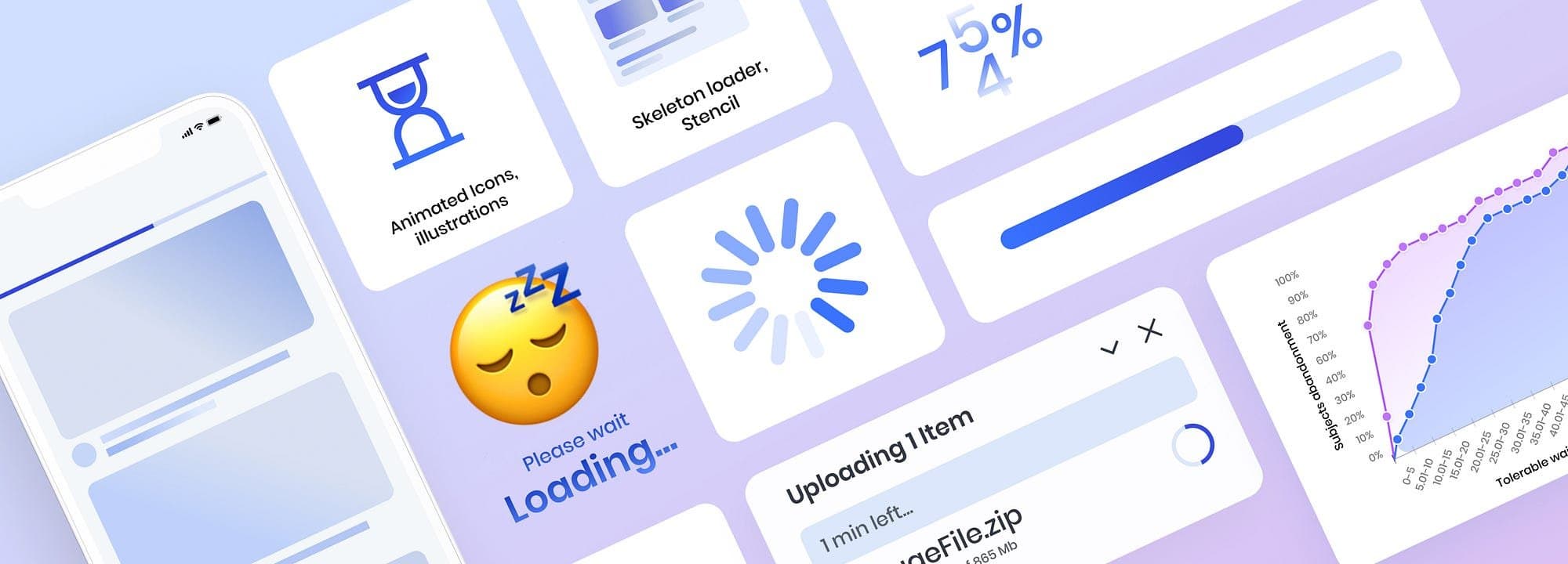
3. Performance Is a Design Constraint, Not a Technical Detail
While vibe coding, I noticed how easily performance degrades:
- slow renders
- unnecessary re-renders
- heavy data processing
- inefficient queries
And the thing is — users don't care why it's slow. They just feel that something is wrong.
Design decisions directly impact performance:
- how much data is loaded
- when it's loaded
- how often things update
Performance is part of the user experience, whether designers acknowledge it or not.
What This Changed in How I Design
After vibe coding, I'll approach design differently:
- I'll question "small changes" more carefully
- I'll think about data structures earlier
- I'll design with edge cases in mind
- I'll treat performance as a first-class constraint
- I'll empathize more deeply with engineering trade-offs
Not because I want to design less — but because I want to design things that can actually be built well.
Final Thought: Vibe Coding Made Me a Better Designer
Vibe coding didn't turn me into a full-time engineer. But it gave me something far more valuable: perspective.
I now understand why developers push back. Why timelines slip. Why MVP discussions matter.
And most importantly — I design with more respect for the invisible complexity behind every screen.